Gohesa Medical Gohesa Medical

How to Choose the Best Sports Injury Tape for 2026 Fair?

Time:2026-03-26 Author:Sophia
0%

Choosing the right tape for sports injury support is crucial for athletes. Dr. Emily Carter, a leading sports medicine expert, states, "The right support can make all the difference in recovery." As we anticipate the 2026 Fair, understanding how to choose the right tape becomes essential for coaches and athletes alike.

When selecting sports injury tape, consider the type of injury. Each injury requires different support levels. Some tapes are rigid while others are elastic. Rigid tapes provide excellent stability, but may restrict movement. On the other hand, elastic tapes allow better flexibility. This flexibility is important for dynamic sports.

A common mistake is choosing tape solely based on brand names. While certain brands have a reputation, effectiveness can vary. Evaluate the tape's tension and adhesive properties. Does it last through intense workouts? Often, athletes realize their choice didn't hold up during critical moments. Reflecting on these aspects can greatly enhance injury management and performance.
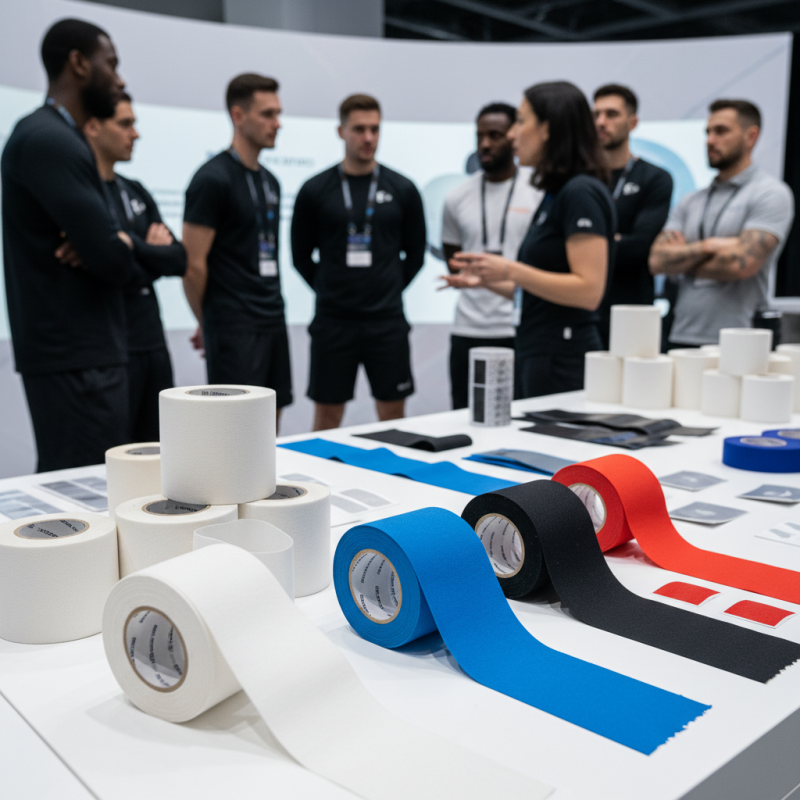
How to Choose the Best Sports Injury Tape for 2026 Fair?

Factors to Consider When Choosing Sports Injury Tape

Choosing the right sports injury tape is essential for optimal support during physical activity. When selecting tape, consider the adhesive strength. A tape that sticks well can provide necessary stability, but it should not cause skin irritation. Some athletes need stronger adhesive, while others may prefer a gentler option. Evaluate your own sensitivity to avoid discomfort.

Next, think about the width of the tape. A wider tape can cover larger areas, but it may limit mobility. If you enjoy dynamic sports, a narrower tape might allow for better movement. Look for tapes that offer elasticity. This feature supports muscles while allowing them to move freely. A common mistake is choosing tape that is too stiff.

Finally, consider the duration of wear. Some tapes are designed for short-term use, while others can remain effective for days. If you're unsure how long you’ll need it, opt for a versatile option. Sometimes, what works in theory doesn’t translate to performance. Testing the tape during practice is crucial. Always reflect on your choices and adjust based on your own experience.

Sports Injury Tape Selection Factors for 2026 Fair

Types of Sports Injury Tapes and Their Uses

When it comes to sports injury tape, understanding the different types and their uses is crucial. Athletic tape, a common choice, offers support for muscle strains and joint injuries. It is rigid and provides stability. However, it can be too restrictive for some athletes, limiting movement.

Kinesiology tape is another popular option. It is stretchable and helps improve circulation. This tape can support injured areas while allowing for more flexibility. Many athletes find it beneficial during recovery. However, applying it correctly takes practice, and improper use can lead to ineffective results.

Cohesive bandages are also worth considering. They stick to themselves but not to skin or hair. This feature makes them easy to apply and remove. Yet, they may not provide the same level of support as athletic tapes. Choosing the best type depends on personal needs and experience. Testing different options helps find the best fit for performance and comfort.

Application Techniques for Optimal Support and Stability

When selecting sports injury tape, understanding application techniques is crucial. Properly applied tape provides essential support and stability during dynamic activities. A recent study highlighted that athletes using effective taping methods reported a 30% decrease in injury recurrence. It showcases how technique influences athletic performance.

To tape an ankle, start by wrapping the tape around the base, securing the heel. Make sure the foundation is snug but not restrictive. Gradually build layers, applying tension where extra support is needed. Research indicates that improper application leads to a 25% increase in instability. Mistakes, like uneven pressure or misalignment, can exacerbate injuries.

The knee also requires careful attention. Begin by having the athlete flex their knee at a 30-degree angle. Anchor the tape on the outside, wrapping it around the joint. Aim for consistent tension to prevent slippage. Ineffective techniques often lead to inadequate protection, resulting in a higher chance of sprains. Reflecting on these details can enhance training routines significantly.

Tips for Selecting the Right Size and Adhesive Strength

Choosing the right size and adhesive strength in sports injury tape is crucial for effective support. Many athletes often overlook size and fit, which can lead to discomfort or ineffective support. A study indicated that 40% of athletes who used incorrectly sized tape experienced injuries due to improper application. This highlights the importance of selecting the appropriate width and length for your specific needs.

When considering adhesive strength, one must balance durability and skin sensitivity. A weaker adhesive may peel off during intense activities, while a stronger one can cause skin irritation. Research has shown that 30% of athletes prefer medium-strength tape, citing it as the most comfortable for prolonged use. It's also essential to consider skin type. Those with sensitive skin may need to test different adhesives to avoid allergic reactions.

Ultimately, understanding the unique requirements of your body will help in making an informed decision. Many times, athletes rush the process and end up with subpar results. Take the time to experiment with various options before a big event, like the 2026 Fair, to ensure optimal performance and protection.

How to Choose the Best Sports Injury Tape for 2026 Fair? - Tips for Selecting the Right Size and Adhesive Strength

Tape Type Size (Width) Length Adhesive Strength Ideal Use Case
Kinesiology Tape 2 inches 16.4 feet Moderate Rehabilitation and muscle support
Elastic Adhesive Bandage 3 inches 10 yards High Sporting events and injuries
Cohesive Bandage 1.5 inches 5 yards Low Securing dressings and light support
Sports Strapping Tape 1 inch 30 yards Very High Joint support and injury prevention

Maintenance and Storage Recommendations for Sports Tapes

When using sports tapes, proper maintenance is crucial. Store the tape in a cool, dry place. Avoid exposure to direct sunlight or extreme temperatures. These conditions can degrade the tape’s adhesive quality. An open roll should be resealed to prevent dust accumulation. This can affect performance during use.


Inspect the tape before each application. Look for any signs of wear or damage. A worn tape may not stick effectively. If the tape feels brittle or has lost its elasticity, it is time to replace it. Sometimes, it may be tempting to use it despite these issues. However, doing so can lead to injuries, which is a risk no athlete can afford.


Cleaning is also essential. Use a damp cloth to wipe the surface of the tape if necessary. Ensure it is completely dry before storage. Make it a habit to regularly check your supplies. Discard any expired or damaged rolls. Keeping track of inventory helps avoid last-minute scrambles before a big event. It’s a small effort that pays off significantly in terms of performance.

FAQS

: How important is adhesive strength in sports injury tape?

: Adhesive strength is crucial. A well-adhering tape provides support but shouldn't cause irritation.

What should I consider when choosing the width of the tape?

The tape's width affects mobility. Wider tapes cover larger areas but may restrict movement.

Why is elasticity important in sports injury tape?

Elasticity allows muscles to move freely. Avoid stiff tapes that can limit motion during activities.

How long can I expect the sports injury tape to last?

Some tapes are for short-term use, while others can be effective for days. Choose based on needs.

What common mistake do athletes make when applying tape?

Many apply tape ineffectively, leading to instability and increased injury chances. Proper technique is essential.

How can the application technique impact injury recurrence?

Effective application can reduce injury recurrence by 30%. Flawed techniques may worsen an existing injury.

How do I find the right size for sports injury tape?

Choosing the correct size is vital. Incorrectly sized tape can lead to discomfort and ineffective support.

What should I keep in mind about adhesive strength and skin sensitivity?

Balance durability and skin sensitivity. Strong adhesives may irritate sensitive skin; testing is advised.

How can I improve my tape application technique?

Practice applying tape regularly. Reflect on what works best and adjust techniques as needed.

Why is it essential to test the tape before a major event?

Testing during training helps ensure optimal performance. Rushing can lead to poor choices and negative outcomes.

Conclusion

When considering how to choose the right tape for sports injury support, several factors come into play. It's essential to evaluate the type of injury, as different sports injury tapes cater to specific needs, such as kinesiology tape for flexibility or rigid tape for stability. Application techniques are crucial for achieving optimal support and stability, ensuring the tape adheres correctly and provides the necessary compression.

Additionally, selecting the right size and adhesive strength is vital; both should match the individual's body and activity level to prevent discomfort and ensure effectiveness. Proper maintenance and storage of the tapes can prolong their usability and ensure they perform well when needed. By considering these aspects, athletes can make informed decisions regarding their sports injury tape for the upcoming 2026 Fair.

Sophia

Sophia

Sophia is a dedicated marketing professional with an exceptional depth of knowledge about her company's products and services. With a keen understanding of market trends and customer needs, she crafts insightful blog posts that not only inform but also engage readers, enriching the company’s online......