Gohesa Medical Gohesa Medical

How to Properly Store Medical Tape and Bandages for Longevity?

Time:2026-03-30 Author:Amelia
0%

Proper storage of medical tape and bandages is crucial for ensuring their effectiveness over time. Many people overlook this aspect, resulting in waste and frustration when these items are needed most. Understanding how to store medical tape and bandages to extend lifespan is essential for healthcare providers and home users alike.

Inadequate storage conditions can lead to adhesive degradation and loss of sterility. Exposure to heat, moisture, and sunlight can shorten their usability significantly. It is important to keep these supplies in a cool, dry place, ideally in airtight containers. This helps to maintain their quality and ensures they are ready for use when required.

Moreover, regular checks on your supplies will help you identify any damaged items. Noting expiration dates is also wise. In some cases, familiarizing yourself with specific storage guidelines can make a big difference. By practicing proper storage techniques, you not only extend the lifespan of these essential supplies but also enhance preparedness for any medical needs.
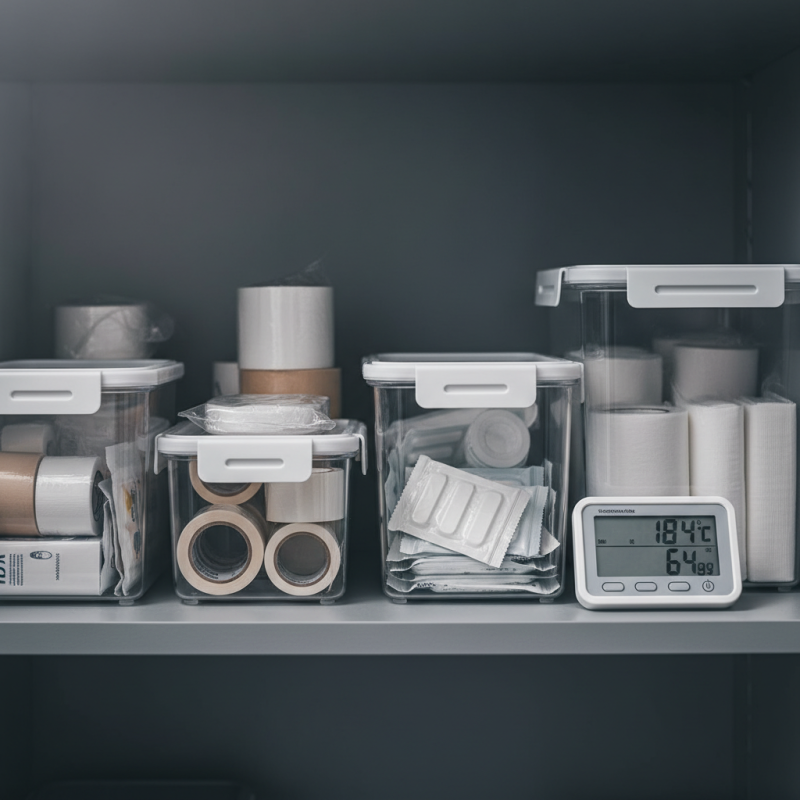
How to Properly Store Medical Tape and Bandages for Longevity?

Importance of Proper Storage for Medical Tape and Bandages

Proper storage of medical tape and bandages is crucial for their effectiveness and durability. When these items are stored incorrectly, they can lose adhesive properties or become contaminated. This can lead to inadequate wound care, increasing the risk of infection. Understanding the right storage methods can enhance their longevity significantly.

Store medical tape and bandages in a cool, dry place. Avoid areas with high humidity, like bathrooms. Damp environments can cause the adhesive to degrade. It's best to keep them in a sealed container to protect against dust and moisture. Ensure they are away from direct sunlight as UV rays can weaken the materials.

Sometimes, people ignore expiration dates, thinking they are just a suggestion. However, expired products may not adhere properly. Regularly check supplies, and discard any that show signs of damage. Broken seals or discoloration are red flags. Be mindful of keeping your first aid kit organized; it helps to avoid using outdated supplies. Maintaining awareness of these details ensures effective wound care when it matters most.

Importance of Proper Storage for Medical Tape and Bandages

Proper storage of medical tape and bandages significantly influences their longevity. This chart shows the effectiveness rating of various storage conditions, highlighting the best options for maintaining the integrity of these important medical supplies.

Ideal Environmental Conditions for Storing Medical Supplies

Storing medical supplies like tape and bandages requires careful attention to environmental conditions. According to the FDA, ideal temperatures range from 68°F to 77°F. Extreme heat can compromise adhesive properties. Cold conditions, below 50°F, may cause materials to become brittle. Humidity is equally important. The ideal humidity level is around 30% to 50%. High humidity can encourage mold growth, while low humidity may dry out adhesives.

Proper lighting matters as well. Keep medical supplies in a dark place, away from direct sunlight. Ultraviolet (UV) rays can degrade materials over time. A study from the Journal of Wound Care found that exposure to light can decrease the shelf life of certain bandages. Air circulation is crucial too. Supplies should be stored in a well-ventilated area to prevent moisture buildup.

Storage containers should be airtight. This adds a layer of protection against contaminants. While these guidelines seem straightforward, many overlook them. Neglecting proper storage can lead to ineffective medical supplies. Taking the time to assess conditions will ensure longevity and readiness when needed.

Organizing and Labeling Medical Tape and Bandages for Easy Access

When it comes to organizing medical tape and bandages, a systematic approach can greatly enhance accessibility. According to a study by the American Medical Association, having a structured inventory reduces the time spent on locating supplies by nearly 30%. To achieve this, use clear bins or containers. Label each bin with the type of product it holds. This visual aid helps in quick identification and retrieval.

It's essential to categorize items based on their use. For instance, group adhesive bandages, gauze pads, and tape together. This simplifies the process during emergencies. Furthermore, consider color-coding your labels. A report from the Journal of Emergency Medicine highlights that color-coding can decrease response times in critical situations.

Tip: Regularly check expiration dates on your medical supplies. This prevents wasted resources and ensures you’re always prepared. Another strategy is to maintain a master inventory list. Keep track of what you have and what needs replenishing. Reflecting on these practices can lead to a more effective first aid response. Small changes can make a significant difference in organization and access.

Shelf Life and Expiration Dates: What You Should Know

Medical tape and bandages have specific shelf lives and expiration dates that are crucial for their effectiveness. Understanding these dates is essential for safety and proper use. Most medical tapes typically last around three to five years when stored correctly. Factors like temperature and humidity can affect their longevity. It is important to store them in a cool, dry place, away from direct sunlight.


Expiration dates are not arbitrary. They are established through extensive testing. Using expired tape could lead to complications in wound care. An expired bandage may not adhere properly or could introduce harmful bacteria. It's important to check expiration dates before using any medical supplies. A simple habit of routine checks can prevent relying on ineffective products during critical times.


While it may seem easy to forget about these dates, a proactive approach helps maintain your medical supplies. Regularly review your storage, and replace expired items. This vigilance ensures you always have reliable products on hand. Understanding shelf life helps you make informed decisions about your health and safety.

Tips for Maintaining the Integrity of Medical Tape and Bandages

When it comes to storing medical tape and bandages, proper maintenance is crucial. These supplies can lose their effectiveness if not handled properly. For example, exposure to heat and humidity can weaken adhesive properties. It's essential to keep them in a cool, dry place and away from direct sunlight.

Here are some tips for maintaining the integrity of medical tape and bandages:

- Store items in their original packaging or in airtight containers. This helps to prevent moisture and air exposure.
- Check expiration dates regularly. Using tape or bandages beyond their shelf life may lead to poor adhesion and risk of infection.
- Avoid storing them in bathroom cabinets, where humidity can accumulate. Instead, opt for a closet or a dedicated first aid kit in a controlled environment.

Remember that not all storage methods are foolproof. Sometimes, even well-stored supplies can degrade over time. Periodically review your stash to ensure you're prepared for emergencies. By taking these steps, you can help ensure that your medical supplies will be ready when you need them most.

FAQS

: Why is proper storage of medical tape and bandages important?

: Proper storage maintains their effectiveness and prevents contamination, reducing infection risks.

Where should I store medical tape and bandages?

Keep them in a cool, dry place away from humidity, sunlight, and dust.

What happens if I use expired medical tape or bandages?

Expired products may not adhere properly, risking inadequate wound care.

How can I organize my medical supplies?

Use clear containers, label them by type, and group similar items together for easy access.

Should I check expiration dates on my supplies?

Yes, regularly check expiration dates to avoid using outdated or ineffective items.

What storage methods are recommended for maintaining supplies’ integrity?

Store items in original packaging or airtight containers to prevent moisture exposure.

Can humidity affect the effectiveness of medical supplies?

Yes, high humidity can weaken adhesive properties and degrade the materials.

How often should I review my medical supplies?

Periodically review your stash to ensure readiness for emergencies.

Are there any mistakes to avoid when storing medical tape?

Avoid storing supplies in bathrooms, where humidity can accumulate, affecting their quality.

What can I do if I find damage or discoloration in my supplies?

Discard any damaged items immediately to maintain effective wound care.

Conclusion

Proper storage of medical tape and bandages is crucial to ensure their longevity and efficacy. The article outlines essential guidelines on how to store medical tape and bandages to extend lifespan, highlighting the importance of maintaining ideal environmental conditions, which include temperature, humidity, and light exposure. It also emphasizes the need to organize and label these supplies for easy access, ensuring quick availability when necessary.

Moreover, understanding shelf life and expiration dates is key to maintaining the integrity of medical supplies. By following these tips, one can significantly enhance the usability of medical tape and bandages, ultimately contributing to effective first aid and healthcare management. Regular checks and proper maintenance practices are recommended to keep these essentials in optimal condition.

Amelia

Amelia

Amelia is a seasoned marketing professional with a wealth of expertise in our company’s core offerings. With an unwavering passion for driving growth and innovation, she plays a pivotal role in shaping our marketing strategies and enhancing brand visibility. A key aspect of her responsibilities......