Gohesa Medical Gohesa Medical

Best Tips for Maintaining Elasticity of Elastic Bandages?

Time:2026-05-22 Author:Mason
0%

In the world of medical supplies, elastic bandages play a crucial role in injury management. They are commonly used in sports and rehabilitation settings to provide support, compression, and stability. However, over time, the elasticity of these bandages can diminish, impacting their effectiveness. Understanding how to maintain elasticity of elastic bandage after repeated use is essential for healthcare professionals and athletes alike.

Research indicates that improper washing and storage can significantly reduce a bandage's lifespan. A study published by the Journal of Athletic Training highlighted that nearly 30% of athletes reported using damaged elastic bandages. Furthermore, the American Physical Therapy Association emphasizes maintaining proper care practices to ensure optimal performance. Ensuring elasticity not only enhances comfort but also promotes healing and prevents further injury.

The challenge lies in balancing usage with maintenance. Regular inspection for signs of wear is vital. Additionally, proper washing techniques—such as hand washing in cold water—can prolong elasticity. Even minor lapses in care can lead to compromised support, ultimately affecting recovery. Prioritizing these practices can make a considerable difference in the functioning of elastic bandages in various settings.
Best Tips for Maintaining Elasticity of Elastic Bandages?

Best Practices for Washing and Drying Elastic Bandages

Maintaining the elasticity of elastic bandages requires proper washing and drying techniques. Research from the Journal of Textile Science indicates that improper care can result in the loss of up to 30% of elasticity in elastic materials. This is crucial, as the bandages are often utilized in medical settings for support and compression.

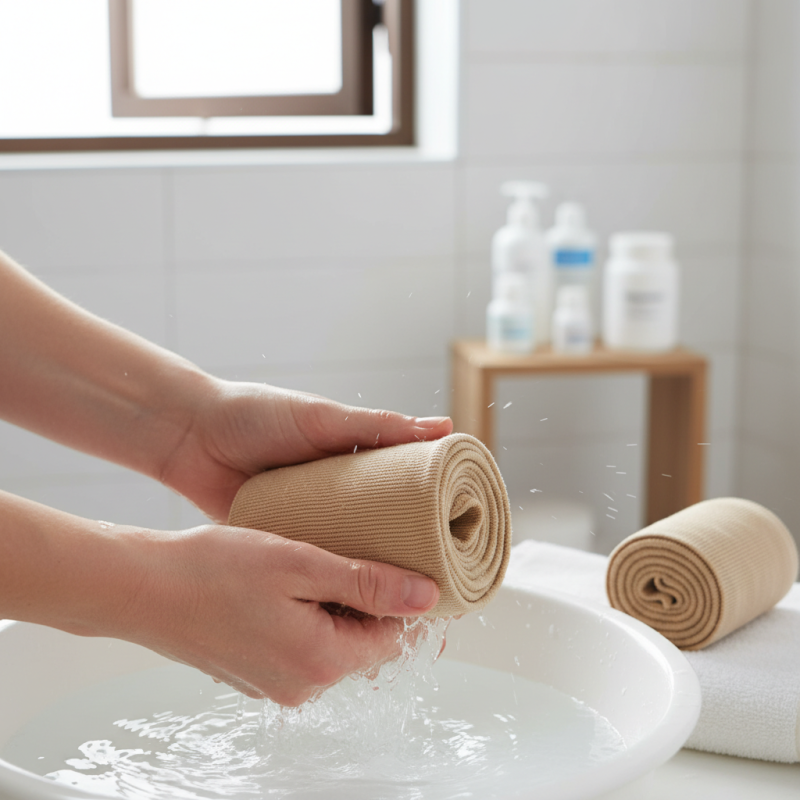
When washing elastic bandages, always follow specific guidelines. Hand washing is preferable, as machine washing can cause fraying. Use cold water with a mild detergent to prevent breakdown of elastic fibers. Using hot water may compromise elasticity significantly. It's essential to avoid fabric softeners, which can leave residues that decrease grip and effectiveness. Rinsing thoroughly ensures no soap remnants remain, which can irritate the skin.

Drying elastic bandages also requires care. Avoid wringing out excess water, as this can deform the elastic structure. Instead, gently press the bandage between towels to absorb moisture. Air drying is ideal. Hanging or laying flat in a well-ventilated area retains shape. Direct sunlight can degrade elastic properties, leading to premature wear. Observations suggest that drying in dark, cool areas helps maintain quality. Regularly examine your bandage for signs of wear, considering that even minor damage can affect overall functionality.

Optimal Storage Conditions to Preserve Elasticity of Bandages

Maintaining the elasticity of elastic bandages is crucial for their performance. The optimal storage conditions can significantly impact their lifespan. According to a report by the American Physical Therapy Association, improper storage can lead to a decrease in elasticity by up to 30%.

Elastic bandages should be stored in a cool, dry place, away from direct sunlight. High temperatures and humidity can degrade the material. Keeping bandages in a sealed container can help minimize exposure to moisture. Regularly checking the bandages for any signs of wear and tear is essential. This ensures that they remain effective when needed.

Time plays a role too. The International Journal of Athletic Therapy & Training advises replacing bandages annually, regardless of visible wear. This is especially true for those frequently used for athletic support. Regular assessments can save money and ensure safety. Over time, the elasticity may not meet required standards, even if they appear intact.

Understanding the Material Composition of Elastic Bandages

Elastic bandages are essential for compression and support. Understanding their material composition is vital for maintaining elasticity over time. Most elastic bandages are made from a blend of cotton and elastomeric fibers. This combination provides the necessary stretch while ensuring comfort. According to a recent industry report, up to 80% of users prefer bandages made with a higher percentage of elastic fibers due to their superior fit.

However, not all elastic bandages are created equal. Some may lose their elasticity quickly, particularly if exposed to excessive moisture or improper washing techniques. Studies show that washing elastic bandages with bleach can reduce their lifespan by nearly 30%. Regular care and appropriate washing methods can mitigate these issues. Users should opt for gentle cycles and cold water whenever possible, ensuring the bandage remains intact.

Moreover, the thickness of the materials used plays a crucial role. Thinner bandages may initially feel comfortable but often provide less support. A balanced thickness is recommended, typically between 3 to 5 millimeters, to ensure optimal compression without compromising flexibility. Keeping these details in mind can help users select and maintain elastic bandages effectively.

Frequency of Replacement: When to Change Your Elastic Bandage

When it comes to elastic bandages, knowing when to change them is crucial for effective care. The fabric can lose its elasticity and compression over time. If the bandage feels loose or doesn't provide adequate support, it's time for a replacement. Typically, you should change the bandage every couple of days or sooner if it becomes wet or dirty. Regular checks help ensure it remains effective and hygienic.

Consider the activity level of the area being wrapped. High-motion areas may require more frequent changes. A bandage that has stretched out cannot provide the necessary compression for healing. If you notice discoloration or irritation on the skin, these could signal that a change is overdue. Don’t ignore these warning signs.

Elastic bandages are not meant to last forever. The right care includes monitoring their condition closely. Reflect on your usage: Are you wearing them during intense workouts? This can lead to wear and tear. Be proactive about replacing them to maintain proper support and protection. Missing these details can delay recovery and increase discomfort.

Signs of Decreased Elasticity and How to Identify Them

Elastic bandages are essential for support and compression, but their effectiveness can diminish over time. Identifying signs of decreased elasticity helps ensure proper use and safety. Common indicators include visible stretching, loss of original shape, and difficulty in maintaining tension. When a bandage feels loose or requires constant readjustment, it may indicate reduced elasticity.

Research indicates that bandages lose their elasticity after multiple uses. A study published in the Journal of Orthopaedic Research highlights that repeated washing can significantly affect bandage performance. Washing can lead to fiber breakdown, which is detrimental to elasticity. Users should routinely inspect bandages for signs of wear and tear to avoid ineffective treatment.

Frequent checks are important, especially in clinical settings. Professionals recommend a reliable method: after washing, stretch the bandage. If it does not retract quickly, it may need replacement. Maintaining elastic bandages requires vigilance and understanding. Not all bandages perform equally, and being aware of elasticity signs is key to successful application.

FAQS

: Why is proper storage important for elastic bandages?

: Proper storage maintains elasticity, preventing a decrease of up to 30% in performance.

What are the ideal conditions for storing elastic bandages?

Bandages should be kept in a cool, dry place, away from sunlight and humidity.

How often should elastic bandages be replaced?

Bandages should be replaced annually, even if they appear intact.

What materials are commonly used in elastic bandages?

Most bandages are made from cotton and elastomeric fibers for stretch and comfort.

Can washing techniques affect the lifespan of elastic bandages?

Yes, washing with bleach can reduce elasticity by nearly 30%.

What thickness is recommended for elastic bandages?

A thickness of 3 to 5 millimeters is ideal for optimal compression and flexibility.

What signs indicate that an elastic bandage has lost its elasticity?

Signs include visible stretching, loss of shape, and difficulty in keeping tension.

How can users check the elasticity of their bandages?

After washing, stretch the bandage. If it doesn’t retract quickly, consider replacing it.

Is it necessary to inspect elastic bandages regularly?

Yes, regular checks help identify wear and ensure effective treatment.

What happens to bandages after multiple uses?

Repeated use and washing can lead to fiber breakdown, affecting performance.

Conclusion

Maintaining the elasticity of elastic bandages is crucial for their effectiveness and longevity. To achieve this, proper washing and drying practices are essential; hand washing with mild detergent and air drying help preserve the bandage’s material integrity. Additionally, storing bandages in a cool, dry place away from direct sunlight can prevent degradation and maintain their elasticity. Understanding the composition of the fabric is also important, as different materials may require specific care strategies.

Furthermore, regular inspection of the bandages for signs of decreased elasticity, such as brittleness or inability to stretch, is key to knowing when to replace them. Knowing **how to maintain the elasticity of elastic bandage after repeated use** involves these careful considerations, ensuring that your bandages remain functional and provide the necessary support over time.

Mason

Mason

Mason is a seasoned marketing professional with a deep expertise in the company's offerings and a passion for driving brand awareness. With a strong background in digital marketing strategies, he has an innate ability to connect with diverse audiences and effectively communicate product benefits.......