Gohesa Medical Gohesa Medical

Top Tips for Removing Medical Tape Without Hurting Skin?

Time:2026-05-28 Author:Ethan
0%

Removing medical tape can be challenging. Knowing how to remove medical tape without hurting the skin is vital for anyone who has undergone medical procedures. The adhesive can cling tightly, often leading to discomfort. Irritation or injury to the skin may occur during the removal process.

Experts recommend a few gentle methods to ease the process. Using warm water can soften the adhesive. Alternatively, applying baby oil or olive oil might work wonders. These methods can minimize discomfort. It's crucial to proceed slowly and observe how the skin reacts.

Sometimes, the tape may leave behind a sticky residue. This can be bothersome. A gentle scrub or further moisturization often helps. However, reflection on your technique is valuable. Mistakes happen, and adjusting your approach can lead to better results. Always prioritize your comfort and skin health during this process.
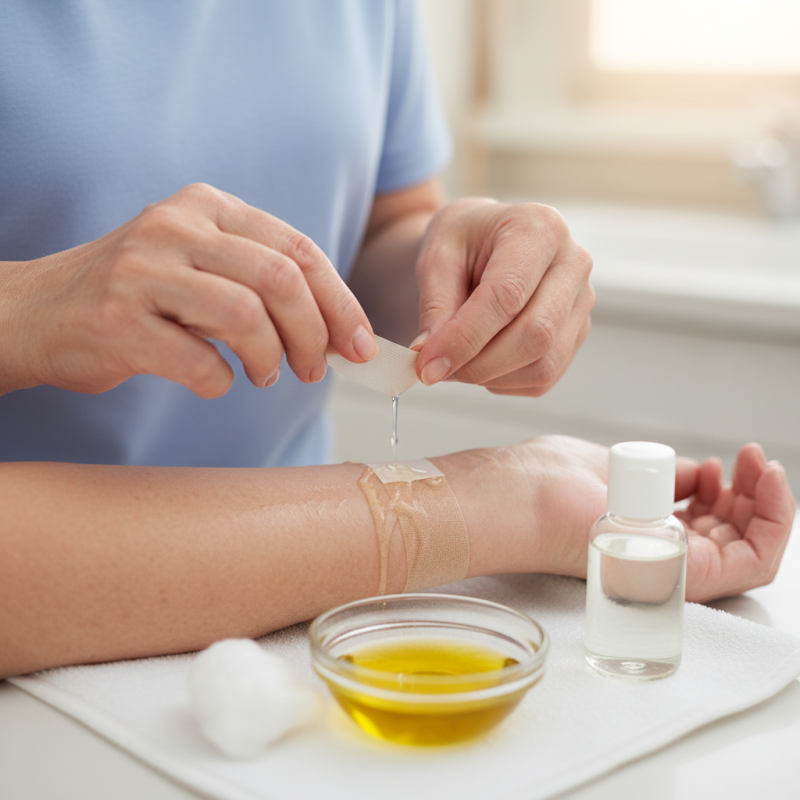
Top Tips for Removing Medical Tape Without Hurting Skin?

Understanding Medical Tape and Its Adhesives

Medical tape is commonly used in healthcare settings for securing dressings and devices. Understanding its adhesive properties is crucial. Most medical tapes employ acrylic or silicone adhesives. Acrylics are known for their strong bond but can cause skin irritation. In contrast, silicone adhesives are gentler and reduce the risk of damage to sensitive skin. A study published in the Journal of Wound Care indicates that approximately 10% of patients experience skin irritation from adhesive products.

The choice of medical tape should consider skin type and condition. Special formulations exist for patients with fragile skin, particularly the elderly. Guidelines recommend selecting a tape designed for specific applications, such as a waterproof option for wet environments. Despite these advancements, users often face challenges when removing tape. A significant number report lingering adhesive residue, causing discomfort.

Training for healthcare professionals on removal techniques is essential. According to the Wound Healing Society, improper removal can lead to skin tears. Educating caregivers on slow, gentle peeling methods can minimize discomfort. While advances in medical tape technology are promising, awareness of individual needs remains paramount. The dialogue surrounding best practices for removal should continue to evolve.

Preparation Before Removing Medical Tape

Removing medical tape can be challenging. Preparing adequately makes the process smoother and reduces discomfort. Start by gathering necessary items. Scissors, adhesive remover, and warm water are essential. These tools help in different ways. The scissors can trim loose ends, while the adhesive remover softens the tape's grip. Warm water can ease the tape's bond.

Before you start, check the skin for any signs of irritation. If the skin appears red or damaged, consider waiting before removal. It’s crucial to create a calming environment. Take a deep breath. A relaxed state can make the procedure easier. Next, slowly lift one corner of the tape. Proceed gingerly to assess the adhesiveness. If it resists, apply warm water or adhesive remover along the edges. Patience is key, as rushing can lead to skin damage.

Consider the direction of hair growth. Pulling against this can cause unnecessary pain. If the tape feels too tight, stop and reassess. Taking a moment to pause can prevent problems. Ensure the surrounding area is clean to avoid infections. Be attentive to your body's signals. After removing the tape, check the skin for any residual adhesive. Pinpoint any areas needing extra care.

Step-by-Step Guide to Removing Medical Tape Safely

Removing medical tape can be a delicate process. Skin sensitivity is a significant concern. Studies show that nearly 30% of individuals experience skin irritation from tape removal. Following a careful, step-by-step approach can minimize discomfort and skin damage.

Start by gently peeling back one edge of the tape. Hold the skin taut with one hand; this helps reduce pulling on the skin. Slowly pull the tape back toward itself rather than away from the skin. This technique can lower skin adhesion, as highlighted in dermatological research. If resistance is felt, stop and consider applying an oil or adhesive remover to the area.

Warm water can be another effective method. Soaking the tape for a few minutes can soften the adhesive. According to an industry report, approximately 65% of patients reported less pain using this soaking technique. After removing the tape, cleanse the skin with mild soap and water. This helps prevent infections. Always pay attention to skin reactions. If redness or irritation persists, consult a healthcare professional immediately. Monitoring how your skin reacts is essential for safer future tape applications.

Post-Removal Skin Care Tips

When you remove medical tape, your skin needs special care. The adhesive can leave irritation, redness, or even peeling. Start by gently cleansing the area with warm water and a mild soap. Rinse thoroughly and pat dry with a clean towel. Avoid vigorous scrubbing, which can further irritate sensitive skin.

After cleansing, consider applying a soothing aloe vera gel or a hypoallergenic moisturizer. These products can help calm inflamed skin. If you notice persistent redness or any unusual rash, consult a healthcare professional. They can provide guidance on proper treatment options specific to your skin type.

Remember to monitor the skin's reaction in the days after tape removal. Keep an eye out for any signs of infection, like increasing pain or swelling. Addressing these concerns early can prevent complications. Each person's skin reacts differently, and being mindful of your own responses is essential in ensuring skin health.

When to Seek Medical Advice After Tape Removal

Removing medical tape can be tricky. Sometimes, skin irritation occurs even with careful removal. Knowing when to seek medical advice is essential for proper care. Look for signs of infection, such as redness, swelling, or warmth around the area. If you experience persistent pain, consult a healthcare professional.

In cases where skin pulls or tears, healing is crucial. If a wound forms after tape removal, clean it gently. Use mild soap and water. Apply a sterile bandage if necessary. Monitor the area for changes. If you notice discharge or unusual odors, it’s best to reach out for help.

Remember, everyone's skin reacts differently. Some might experience mild discomfort, while others face significant irritation. Don’t hesitate to seek advice if you're uncertain about your skin's condition. Timely intervention can prevent complications and ensure smoother healing. Prioritize your skin health above all.

FAQS

: What types of adhesives are commonly used in medical tape?

: Most medical tapes use acrylic or silicone adhesives.

Why is choosing the right medical tape important?

It depends on skin type and condition. Sensitive skin requires special formulations.

How can skin irritation be minimized during tape removal?

Use slow, gentle peeling techniques. Hold the skin taut to reduce pulling.

What should I do if the tape feels resistant during removal?

Stop and consider applying oil or adhesive remover to soften it.

Is soaking the tape in warm water effective?

Yes, soaking can soften the adhesive. About 65% of patients report less pain with this method.

When should I seek medical advice after removing tape?

Look for signs of infection, such as redness or swelling. Persistent pain also warrants consultation.

How do I clean the area after tape removal?

Use mild soap and water to cleanse the skin. This helps prevent infections.

What should I monitor after removing medical tape?

Watch for any skin reactions like irritation. Consult a professional if symptoms persist.

Can I use medical tape on fragile skin?

Yes, but choose specially designed tapes for better safety.

How can I ensure better tape removal experiences in the future?

Always pay attention to your skin reactions and adjust techniques accordingly.

Conclusion

Removing medical tape can be a delicate process, especially when considering how to remove medical tape without hurting the skin. Understanding the various types of medical tape and their adhesives is crucial for effective removal. Before starting, it's important to prepare the area by ensuring that the skin is clean and dry, which can help minimize discomfort.

A step-by-step guide involves gently loosening the tape edges, slowing pulling it back against the direction of hair growth, and using techniques such as applying heat or moisture to ease the process. Post-removal skin care is key, including cleansing and moisturizing the area to prevent irritation. It’s also important to be aware of when to seek medical advice after tape removal, particularly if there are signs of excessive irritation or allergic reactions. By following these tips, you can alleviate discomfort and ensure safe tape removal.

Ethan

Ethan

Ethan is a seasoned marketing professional with a deep expertise in our company's innovative product line. With a passion for sharing knowledge and insights, he takes the lead in regularly updating our corporate blog, where he explores industry trends, product features, and effective marketing......