Gohesa Medical
Post-exercise muscle soreness is a common challenge for many fitness enthusiasts. After a grueling workout, your muscles may feel tight and tender. This discomfort can hinder your progress and motivation. Learning how to use bandage for post-exercise muscle soreness can be an effective solution.
Bandages help provide support and compression to sore muscles. They can reduce swelling and promote better circulation. Proper application can ease pain, allowing you to continue your fitness journey. Many athletes have found relief through this method. They appreciate the swift response a bandage offers after intense physical activity.
Using a bandage effectively requires some skill. It’s important to know where and how tightly to wrap it. Overdoing it can sometimes cause more pressure than relief. Furthermore, not all bandages are created equal. Some materials may irritate the skin or not provide enough support. Understanding these nuances can make a difference in your recovery process.
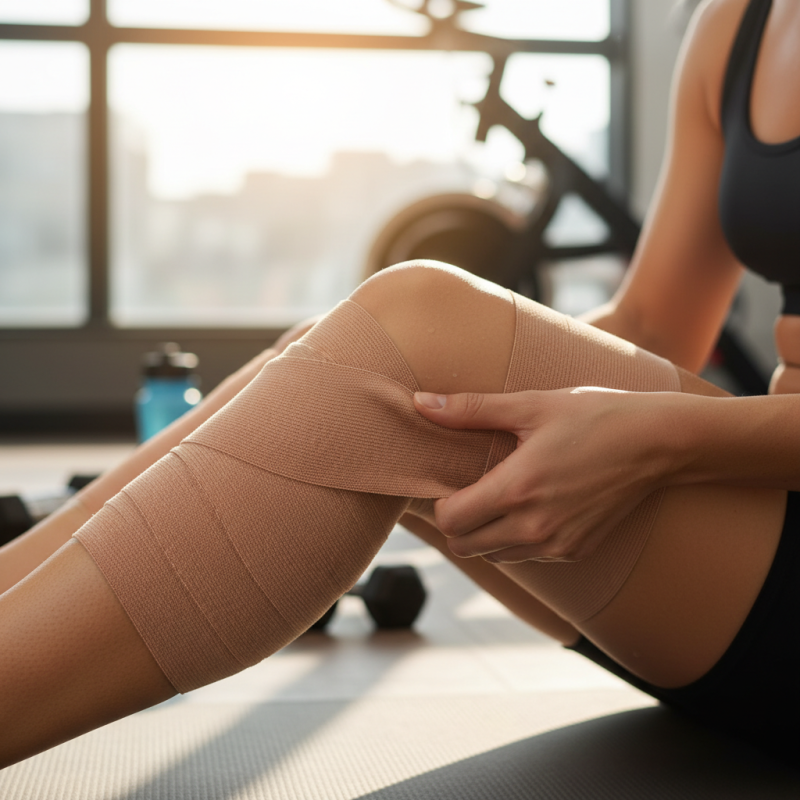
Muscle soreness after exercise, often termed delayed onset muscle soreness (DOMS), is a common experience for many athletes. Research suggests that around 70% of individuals engaged in new training routines experience DOMS within 24 to 48 hours post-exercise. This discomfort typically arises from micro-tears in muscle fibers caused during intense physical activity. The intensity and duration of workouts play significant roles in this phenomenon.
Understanding the mechanisms behind muscle soreness is crucial. When muscles undergo strain, the body initiates inflammation as a healing response. This process leads to stiffness and pain. A study published in the Journal of Athletic Training indicates that individuals performing eccentric exercises reported higher soreness levels than those focusing on concentric movements. Therefore, it’s essential for athletes to gradually adapt to higher intensity to mitigate discomfort.
While using bandages might offer temporary relief, it’s vital to listen to your body’s signals. Over-relying on external aids can mask the pain but may prevent necessary recovery time. It encourages a false sense of security. Nutritional support, hydration, and proper rest are equally important in addressing muscle soreness effectively. Engaging in reflective practices post-exercise can aid in recognizing patterns and adjusting training approaches for optimal performance and recovery.
Bandages play a vital role in relieving muscle soreness after exercise. They provide compression, which helps reduce swelling. Applying a bandage can enhance blood flow to the sore muscles, aiding recovery. A snug fit ensures that the affected area is supported without being overly tight. This balance is crucial. Too much pressure can restrict circulation, while too little may not offer adequate support.
Using bandages is not a one-size-fits-all solution. Some may find them effective, while others might struggle with discomfort. It's essential to assess individual needs. Are you allergic to the material? Does the bandage cause chafing? Finding the right type can take time. Listen to your body and adjust accordingly. Experimenting with different techniques can lead to better outcomes.
Incorporating bandages into your post-exercise routine can be beneficial, but they are just one part of recovery. Stretching and hydration are also critical. Together, these methods enhance overall wellness. Reflect on your experience with bandages, and consider what works best for you. Discomfort is a signal, not just a hurdle. Understanding your body’s responses will lead to smarter recovery strategies.
When dealing with post-exercise muscle soreness, choosing the right bandage can make a significant difference. Compression bandages are particularly effective. They provide support and help reduce swelling. A well-fitted bandage can enhance blood circulation. This is crucial for faster recovery. You may also consider elastic bandages. They are flexible and can adjust to different body parts.
For acute injuries, a cold pack wrapped in a bandage works well. This combination targets inflammation directly. It's effective for strains and sprains. However, tying a bandage too tightly can cause discomfort. Always check for signs of excessive pressure. A simple method is to ensure two fingers can fit underneath the bandage.
Another option is kinesiology tape. It's designed to provide support without restricting movement. People often find it helpful for various muscle groups. Still, applying it can be tricky for beginners. Watch tutorials or consult professionals to get it right. Reflecting on your technique can lead to better outcomes. Every body reacts differently, so experiment to find what suits you.
Post-exercise muscle soreness can be uncomfortable. Using a bandage properly can help soothe the pain. Here’s a simple guide to applying a bandage for relief.
Start by gathering your supplies. You’ll need a clean bandage, some gauze, and scissors. It’s important that everything is sanitary. Clean the sore area gently before applying any products. Make sure your skin is dry. This helps the bandage stick better.
Begin wrapping the bandage around your muscle. Overlap the layers to ensure support. Don’t wrap too tightly; this can cut off circulation. Leave some space for movement. Check your skin's color and temperature. A proper wrap allows for mobility while providing support.
Tips: If the area feels numb or tingles, re-adjust the bandage. Less is often more; you don’t need a lot of pressure. After the bandage is applied, rest the muscle. This is just as important as wrapping.
Muscles need time to recover. If soreness persists beyond a few days, reconsider your approach. Listening to your body is key. You might need to adjust your post-exercise routine. Soreness can indicate muscle fatigue. Ensure to balance rest with activity.
After a workout, muscle soreness can be challenging. While bandaging may provide compression and support, other recovery techniques enhance its effects. Consider applying ice packs to the sore areas. Ice reduces inflammation and numbs pain effectively. Apply for 15 to 20 minutes, multiple times a day, for the best results.
Hydration plays a crucial role in recovery. Drinking water helps flush out toxins from the muscles. Consider electrolyte drinks post-exercise to replenish what’s lost through sweat. Stretching exercises can also aid recovery. Gentle stretches improve blood flow and flexibility, alleviating tightness.
Moreover, incorporating foam rolling can enhance muscle recovery. It targets knots and tension points, improving circulation. Remember, individuals respond differently to recovery methods. Monitor what works best for you. Some might benefit from a warm bath, while others prefer a cool shower. Reflect on your recovery process, and adjust as needed. Listening to your body is key.
: Bandages provide compression, reducing swelling and enhancing blood flow for recovery.
Assess your comfort. Consider allergies, chafing, and fit. Every body reacts differently.
Clean the area. Wrap snugly but not tightly. Overlap layers for better support.
Listen to your body. If it feels numb or tingly, re-adjust or remove it.
No, they are just one part. Stretching and hydration are also important for recovery.
If soreness persists beyond a few days, reevaluate your post-exercise routine and recovery strategies.
Yes, a proper wrap allows mobility. Too much pressure can cut off circulation, affecting movement.
Not always. Results vary by individual. Reflect on your experience and adjust as needed.
Check the skin’s color and temperature. A good wrap is snug but allows for movement.
Rest the muscle after wrapping. Balance activity and rest to aid recovery effectively.
Post-exercise muscle soreness is a common experience among athletes and fitness enthusiasts, often caused by microscopic damage to muscle fibers during intense workouts. Understanding the physiological reasons behind this soreness can help individuals take appropriate measures for relief. One effective method is utilizing bandages, which can provide targeted support and compression to alleviate discomfort.
In the article titled "How to Use Bandage for Post Exercise Muscle Soreness Relief?", various types of bandages are discussed, highlighting those best suited for recovery. A step-by-step guide is provided to ensure proper application, maximizing the benefits of bandaging. Additionally, complementary recovery techniques are suggested to enhance overall muscle recovery. By combining these strategies, individuals can effectively manage post-exercise soreness and promote quicker healing.
